First Impressions: A Whirlwind
Landing at Suvarnabhumi Airport, I navigated my way through the massive terminal, juggling luggage and a phone full of Google Maps directions. By the time I hopped into a taxi, Bangkok had already begun its assault on my senses: the smell of street food mingling with exhaust fumes, vendors shouting prices in Thai, tuk-tuks zipping dangerously close.
By the time I reached my hostel in Sukhumvit, I was exhausted and slightly frazzled. The streets were alive, even at midnight. Neon lights flickered, street stalls were still cooking, and music blared from hidden bars. I realized that this city doesn’t sleep—it just changes tempo.
Getting Lost, Finding Wonder
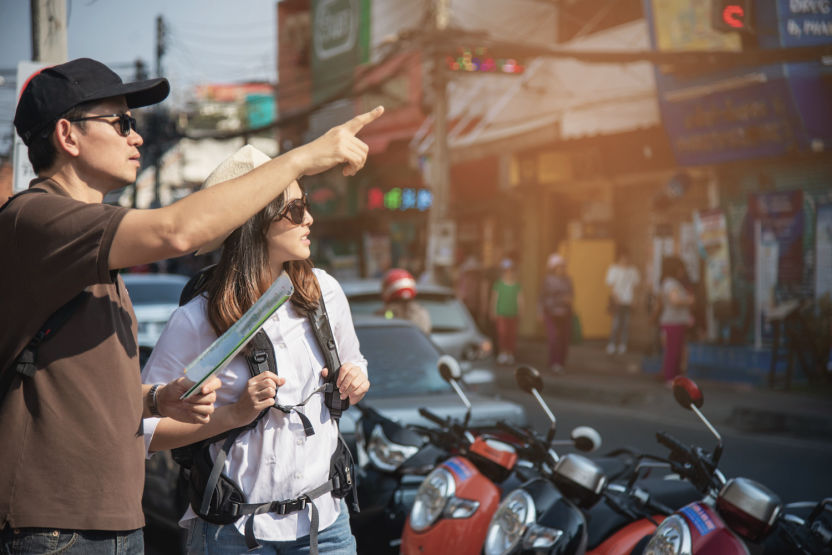
The next morning, I wandered aimlessly through narrow sois (side streets) around the main avenues. Initially, the chaos felt relentless: scooters zipped past, pedestrians stepped around puddles, stray dogs lazed in the sun. But slowly, I began to notice the rhythm beneath the noise. Monks in saffron robes walked calmly past modern coffee shops. Families shared meals at small street-side tables. Hidden temples appeared between apartment buildings, their bells ringing softly against the backdrop of traffic.
I stumbled upon a tiny café tucked down an alley, run by a grandmother who made fresh coconut pancakes. Sitting there with a steaming cup of Thai iced coffee, I realized the chaos wasn’t hostility—it was life, in all its messy, vibrant glory.
Food, Flavor, and Heart
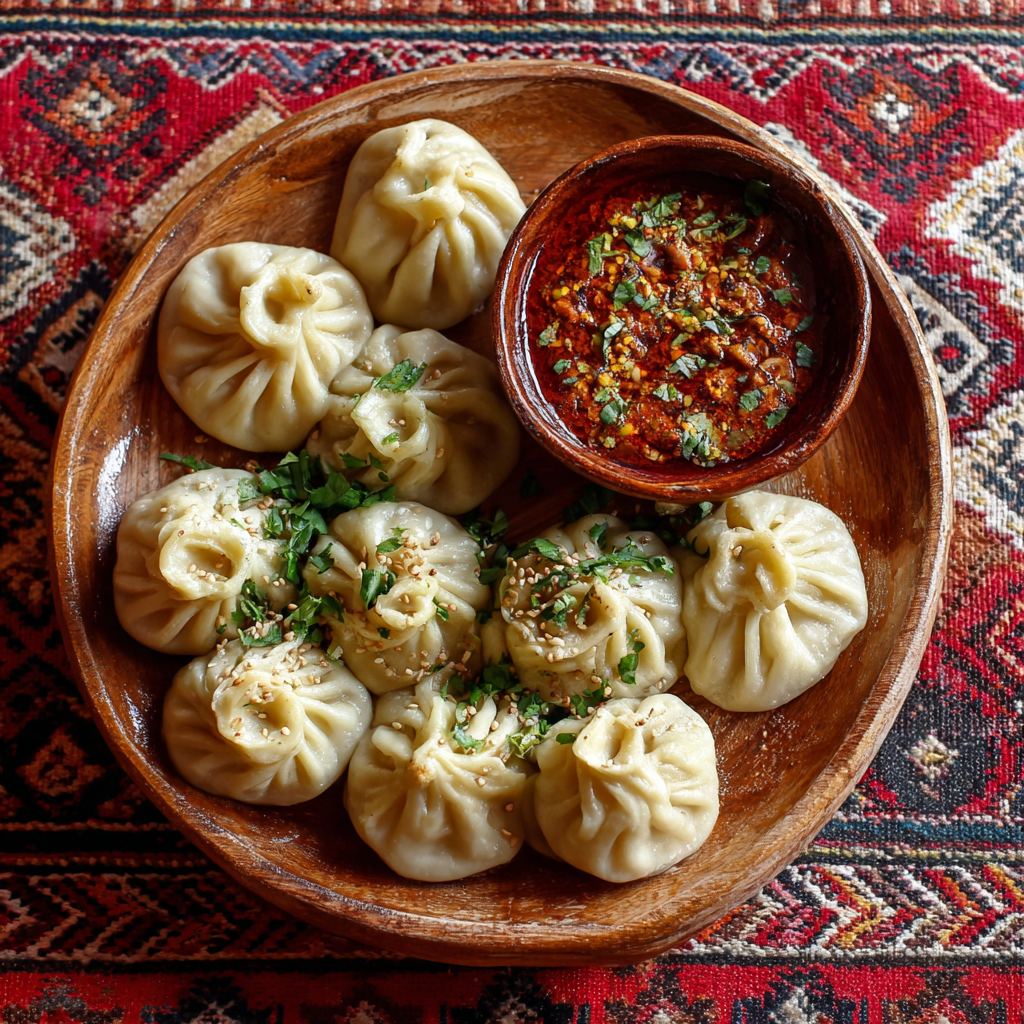
Bangkok’s streets are alive with food. My first experience was overwhelming: markets spilling over with exotic fruits, spicy noodles, grilled meats, and sweets I couldn’t name. But as I learned to navigate, I found my favorites: spicy papaya salad with sticky rice, mango with coconut sticky rice, and a simple bowl of boat noodles in a hidden alley near Victory Monument.
What made these meals unforgettable wasn’t just the flavor, but the people. Vendors called me “farang” (foreigner) with warmth, laughter punctuated the cooking, and I learned to barter gently, enjoying small moments of connection in a city so large it could easily feel impersonal.
Temples, Canals, and Quiet Moments
To escape the relentless pace, I took a boat along the khlongs (canals) of Thonburi. Here, Bangkok slowed. Wooden houses on stilts reflected in the water, laundry flapped in the wind, children waved from narrow bridges. I visited Wat Arun and Wat Pho, not just for the famous architecture, but for the quiet corners where tourists are rare. Sitting on the riverbank, watching boats glide by, I realized why locals love this city despite its intensity. There’s calm beneath the chaos, if you seek it.
From Chaos to Love
By the third day, Bangkok transformed for me. The city that had felt overwhelming became magnetic. I started to recognize patterns, appreciate the street life, and even find humor in the constant chaos. Tuk-tuks no longer startled me—they became part of the adventure. Street vendors felt like old friends. The clamor of traffic became a kind of music, punctuated by the calls of temple bells and laughter drifting from open-air markets.
I realized that love for a city doesn’t always arrive at first sight. Sometimes, it comes after disorientation, after feeling small and overwhelmed, when you finally notice the layers beneath the surface: the kindness of strangers, the poetry in daily routines, the smells, sounds, and tastes that make a city alive.
Practical Tips for Falling in Love with Bangkok
Embrace the chaos. Don’t fight it—observe, move with it, and find your rhythm.
Explore side streets. Hidden cafés, local markets, and quiet temples often lie just off the main avenues.
Try street food carefully. Start with small portions and watch locals for guidance.
Use public transport. BTS Skytrain and boats on the Chao Phraya River make getting around faster and safer than taxis in heavy traffic.
Take quiet moments. Even 30 minutes by a canal or in a temple courtyard can reset your senses.
Bangkok is a city that first overwhelms, then seduces. Its energy can feel like a storm, but within that storm is life, color, connection, and vibrancy. By the end of my stay, I wasn’t just surviving Bangkok—I was living it. My feet ached from walking, my senses were stretched, and my heart was full.
Chaos and love, I realized, are inseparable here. Bangkok doesn’t give itself easily, but once it does, it stays with you—messy, vibrant, unforgettable.