The Journey Begins
I left Tbilisi early in the morning, taking a minibus toward the Greater Caucasus. The city’s noise faded as we climbed higher. By the time we reached the village of Kazbegi, the air smelled of pine and wildflowers. The towering peaks of Mount Kazbek loomed above, their snowcaps glinting in the morning sun. There were no souvenir shops, no tour buses—just me, a few locals heading to the market, and the sense of being completely somewhere else.
Meeting the Locals
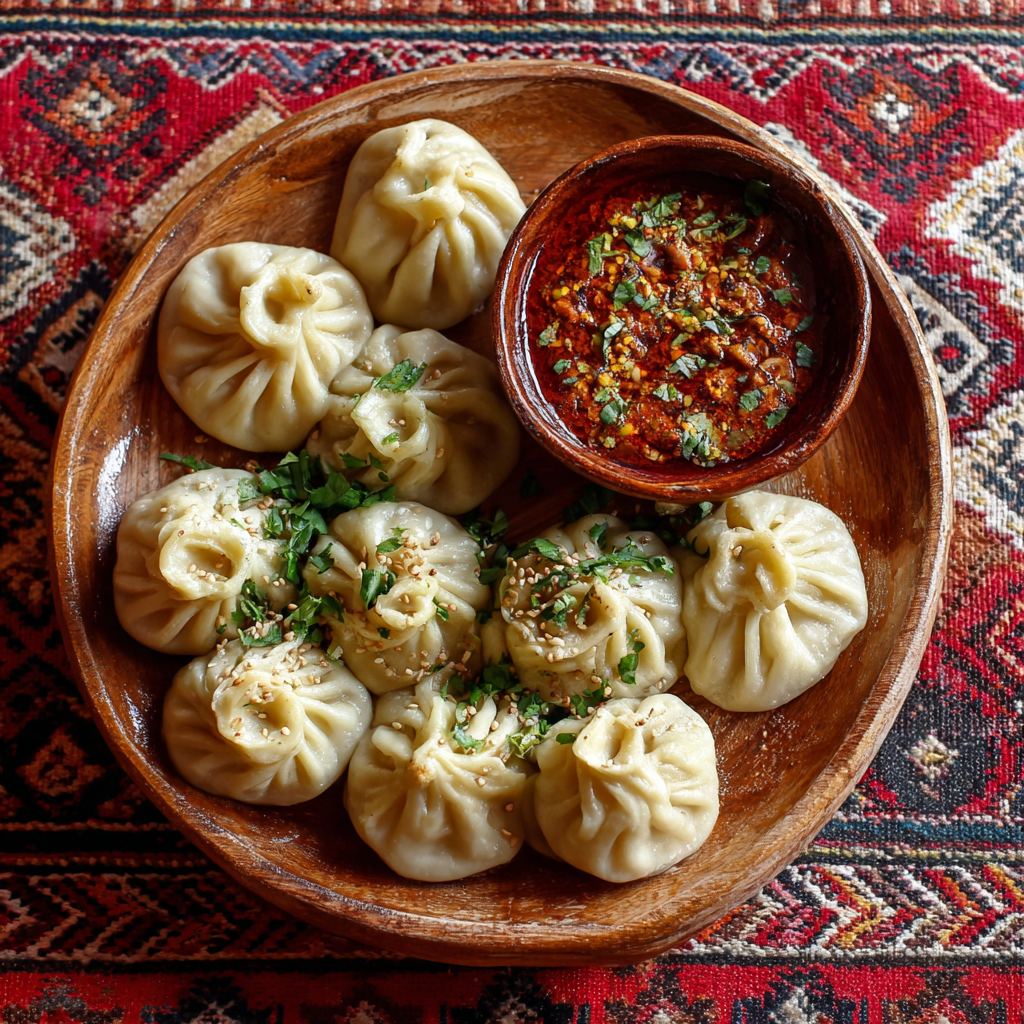
In the village, I wandered into a small home-café run by an elderly woman named Nino. Her kitchen was simple: a wood-fired stove, a rolling pin, and a large bowl of dough. She was making khinkali for lunch. The aroma of meat and herbs filled the room as she pinched and twisted each dumpling with care.
I watched her work, and she smiled, motioning for me to try one. I hesitated. I had eaten khinkali many times in Tbilisi, at famous restaurants with polished wooden tables and menus in English. But nothing prepared me for this—the dough was soft yet slightly chewy, the meat juicy and perfectly seasoned, and the herbs… subtle, fresh, unmistakably local.
We ate at a small table overlooking the mountains. Outside, clouds rolled across peaks, and the sound of a distant river mingled with birdsong. Each bite was a reminder that food tastes different when it is tied to a place, a rhythm, a life lived close to the land.
Khinkali 101: Mountain Style
One thing I noticed immediately: khinkali in the mountains were heavier, heartier, and packed with more flavor. The locals told me it’s because the meat comes directly from nearby farms, often lamb or beef, and the dough is made fresh every morning. No shortcuts, no additives, no rushing the process.
The technique is also slightly different. Nino folded the dumplings with thicker edges to hold the juices, something I had never seen in restaurants in Tbilisi. You bite carefully, sip the broth inside first, then devour the rest. It’s not just food—it’s a ritual, a way of sharing warmth, history, and community.
Exploring Beyond the Plate
After lunch, I wandered through the village streets. Children ran around barefoot, chasing goats. Women washed clothes in stone fountains while chatting about weddings and harvests. I passed small chapels and houses built from rough-hewn stone, their roofs sloping steeply to shed winter snow. There were no signs in English, no guided tours—just life, authentic and unpolished.
I realized that the khinkali were only part of the experience. Eating here wasn’t about Instagram photos or “best-of” guides; it was about sitting at a table, feeling the mountain air, listening to the clatter of the village, and connecting with people who had lived here all their lives.
A Simple Meal, a Lasting Memory
Later, I visited another family in a nearby valley. They invited me to help with the dough, laughing as my attempts produced oddly shaped khinkali. We drank homemade wine from small clay cups and shared stories about the mountains, the past winters, and the simple joys of life.
As the sun dipped behind the peaks, I realized something: I had eaten more khinkali in those two days than I had in all of Tbilisi, but it wasn’t just quantity—it was the depth of experience, the atmosphere, the people, and the slow pace that made every bite memorable.
Practical Tips for Travelers
For anyone wanting to experience khinkali in the mountains:
Leave Tbilisi early. Minibuses and shared taxis can take you to Kazbegi, Mestia, and other mountain regions. The journey itself is stunning.
Ask locals where to eat. Avoid restaurants with menus in English; head to small homes or local cafés.
Try different meats. Mountain khinkali often feature lamb or a mix of beef and pork, which tastes richer than city versions.
Bring cash. Many mountain cafés do not accept cards.
Be patient. Meals may take time, but the wait is part of the experience.
Eating khinkali in the mountains of Georgia is more than a meal; it’s a journey into the heart of a culture that cherishes tradition, community, and flavor. While Tbilisi offers convenience and charm, it cannot replicate the authenticity of a home-cooked meal in a village perched on the side of a snow-dusted peak.
If you want to taste the soul of Georgia, leave the city behind. Follow the winding roads, the rivers, and the locals. Sit at their tables, listen, watch, and eat slowly. You will discover that the mountains do more than taste better—they feel better.